


 0 Σχόλιοа
 Εκτύπωση
 28.10.25
 12.10.18
DRY FELTING BY NEEDLE
With this article, I’m taking a step back in time - when I first became captivated by this one-of-a-kind art form.
It all happened thanks to some fluffy little angels, peacefully sleeping on even fluffier clouds, who stole my heart from the window display of a quaint art boutique tucked into the cozy central streets of Sofia. I couldn’t get them out of my mind until I discovered how they were made.
The shop assistant explained that they were crafted by felting wool with a needle. What she forgot to mention, however, was that the needle is special—it has barbs. So, just imagine my comical attempts to make something using an ordinary sewing needle.
Fortunately, if you read this article, you won’t have to go through the same struggles I did.
FELTING PROCESS
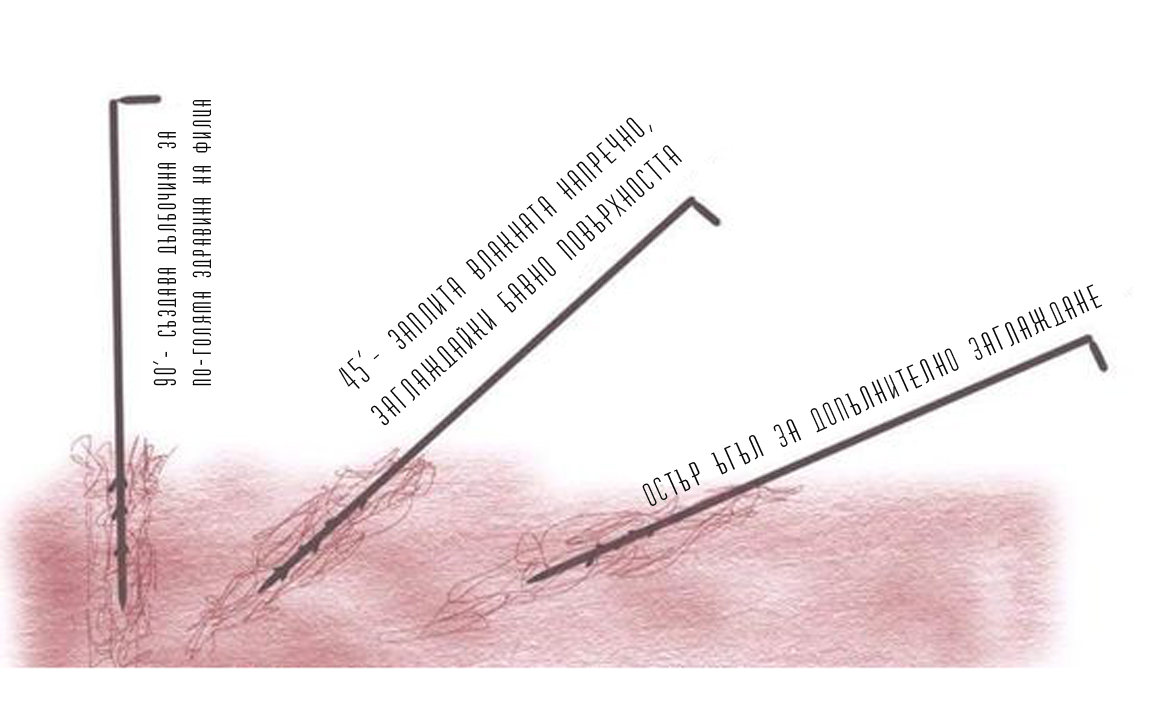
To understand needle felting, it’s good to first get familiar with the felting process. During this process, wool fibers are moved back and forth until they lock tightly together.
NEEDLE FELTING – A BEGINNER’S GUIDE
 For myself
Βαθμολογήστε το άρθρο 5.00/5 από 8 βαθμοί. |
|
| Έχετε ήδη ψηφίσει για το άρθρο | |
Προτεινόμενα άρθρα
 HANDMADE MARTENITSA FOR HOME AND OFFICE
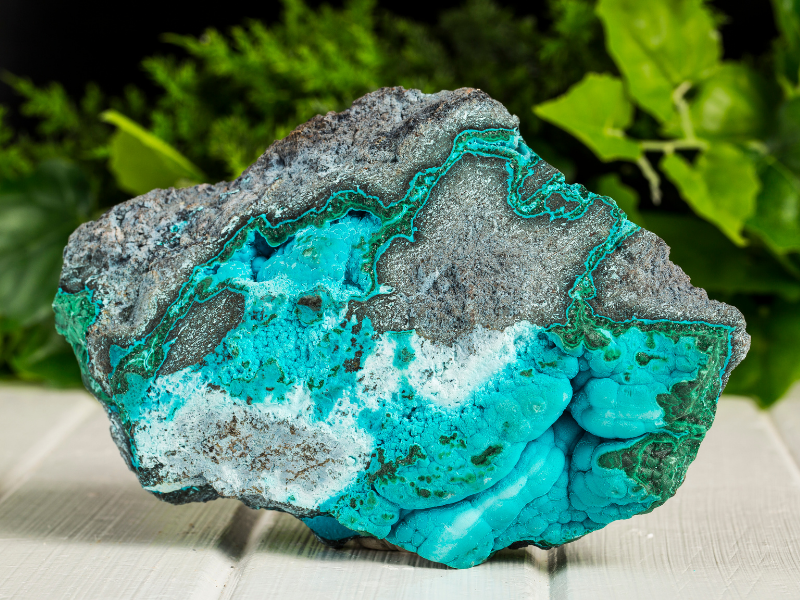 MALACHITE THE STONE OF MONEY
 WELCOME TO THE WORLD OF DIAMOND PAINTINGS
 CREATIVITY AND CHILDREN
Ετικέτες/Ετικέτες
 0 Σχόλια

| 0 |

| 0 |

| 0 |

|

| 0 |

|
 Εγγραφείτε ♥
ΑΝΑΖΗΤΗΣΗ

|

|


Πρόσφατες δημοσιεύσεις
IN THE WORLD OF QUILLING ART
THE MAGIC OF CREATIVE KITS
A HANDMADE BRACELET IS THE PERFECT GIFT FOR A FRIEND
WHAT SHOULD WE KNOW ABOUT JASPER PENDANTS?
3 TOP IDEAS FOR TEMPORARY WALL DECOR AT AN AFFORDABLE PRICE
WOODEN ELEMENTS A TIMELESS TREND FOR YOUR HOME
AMAZING WEDDING DAY CARDS
Πρόσφατα σχόλια
Αρχείο
Βοηθητικός
VALUABLE TIPS FOR CHOOSING A NATURAL STONE AS A GIFT
HISTORY OF THE QUILLING TECHNIQUE
INTERESTING FACTS ABOUT NATURAL AND IMITATION STONES
IN THE WORLD OF FANTASTIC JASPER
HANDMADE CHRISTMAS TREE ORNAMENT
THE PERFECT SCISSORS ARE THE KEY TO AMAZING PROJECTS
HOW TO MAKE BEAUTIFUL EARRINGS AT HOME
Οι περισσότεροι διαβάζονται
Themed Silicone Molds for Holidays, Festive Occasions and DIY Projects - Crafting Moulded Decorations, Resin Art and Baking Beauties for Unforgettable Celebrations
HANDMADE MARTENITSA FOR HOME AND OFFICE
THE COMPLETE GUIDE FOR THE CREATIVE PERSON
WHAT DOES A TURQUOISE PENDANT SYMBOLIZE AND HOW TO COMBINE IT
HOW TO MAKE A FELT FLOWER
GLASS FRAMES FOR SUBLIMATION PRINTING AND DECOUPAGE
TEXTURED CARDBOARD FOR CRAFT PROJECTS
